
Flicker Film
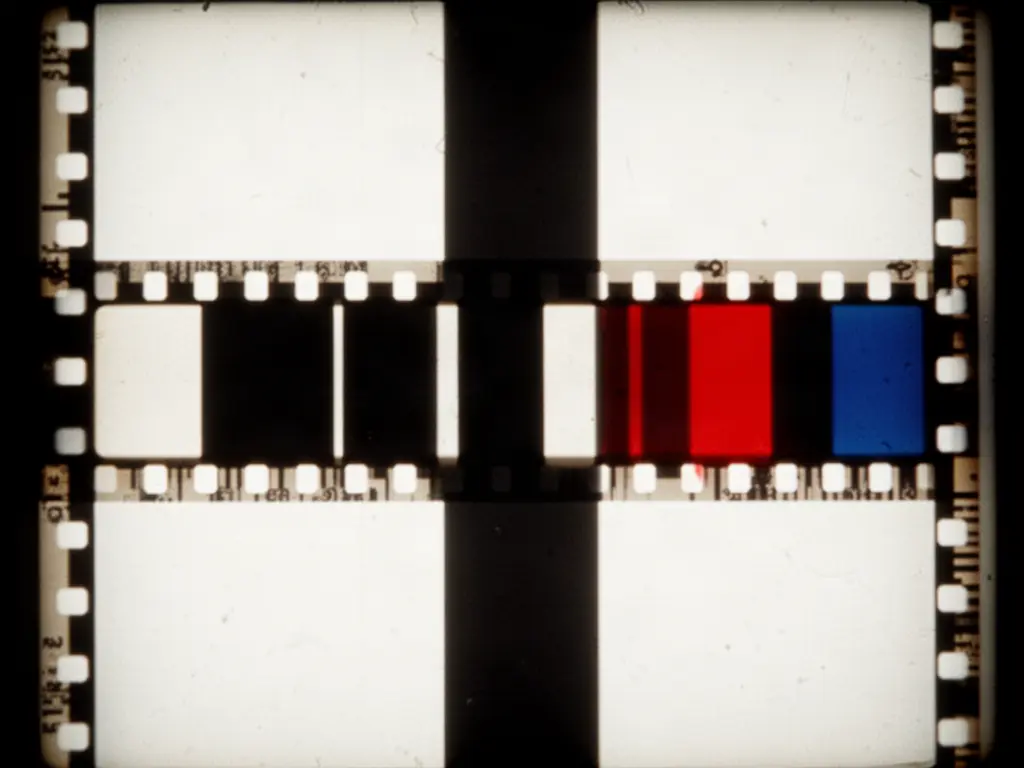
Experimental film built from alternating black and white or colored frames, creating pulses of light on screen. Tony Conrad's 1966 film The Flicker is the best-known example, and it can cause strong visual afterimages.
Spot it
- 01Rapid black-white strobing
- 02Afterimage color halos
- 03Pulsing full-frame light
Why it happens
Alternating frames at a steady rate stimulate the visual system periodically, producing illusory colors, moving patterns and afterimages that the film itself does not contain.
Recreate it in Pixio
Image-to-video prompt“Animate this image as a 1960s flicker film: alternate frames of the image with pure white and pure black at a fast rhythm, accelerating over six seconds, with faint colored afterimage halos and projector grain. Hard cuts only, locked frame. Keep the original subject and composition in the image frames.”
Open PixioUpload a still and pick a video model.