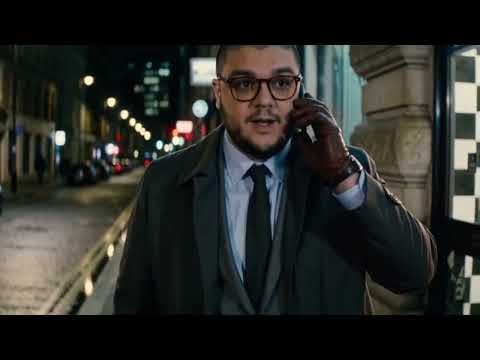
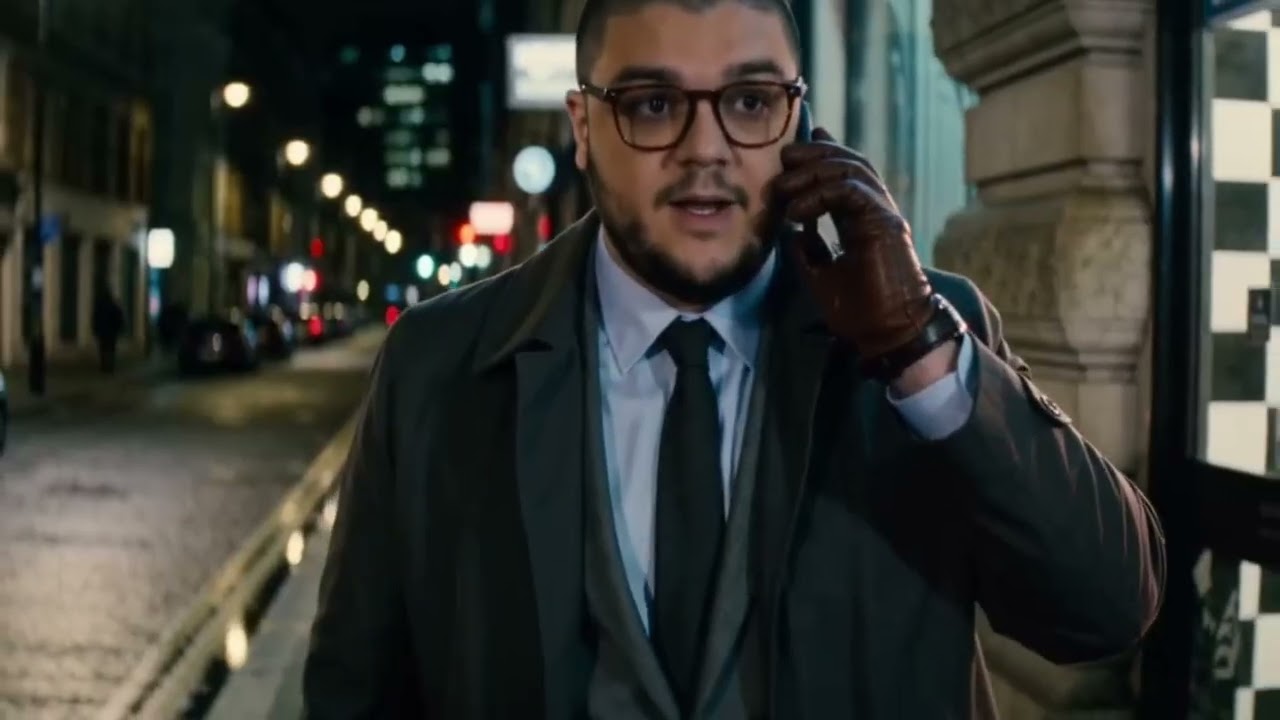

Alisher Farhadi
Production breakdown · 2026
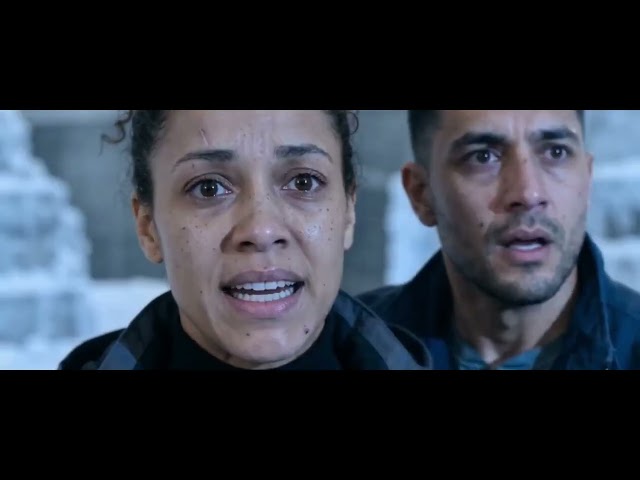
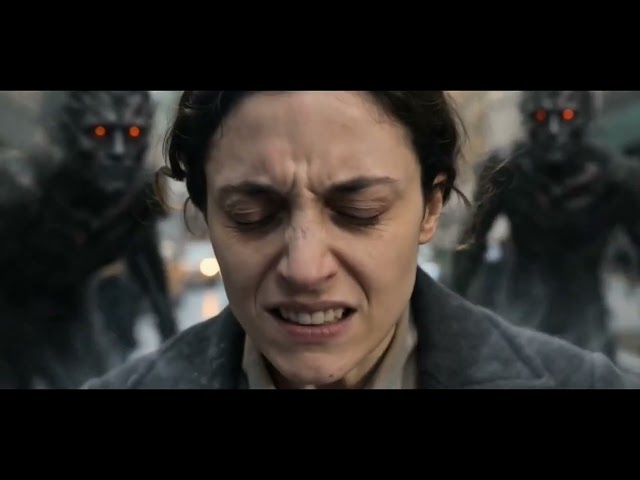
A spy-thriller cut as an action trailer rather than a concept test. Eighteen shots, one recurring lead, and a hard rule: if a frame could not survive being cut next to a real trailer, it did not make the edit.
Pre-production
The brief
The reference language was late-nineties espionage — long lenses, practical light, and a camera that behaves like it is operated by someone who might get caught. That ruled out most of what generative video does by default: no drifting hero moves, no impossible orbits, no glossy volumetrics. Every shot had to look like it came off a rig somebody had to carry.
The constraint that shaped everything else was continuity of the lead. A trailer only works if the audience believes it is watching one person across eighteen cuts, so the face had to be locked before a single second of video was generated.
- Runtime
- 1:47
- Shots in cut
- 18 of 22 generated
- Primary model
- Pixio Video Agent
- Stills
- Flux, then Seedance 2 for motion
- Aspect
- 2.39:1 (matted from 16:9)
- Build time
- Nine days, evenings
Design
Locking the lead
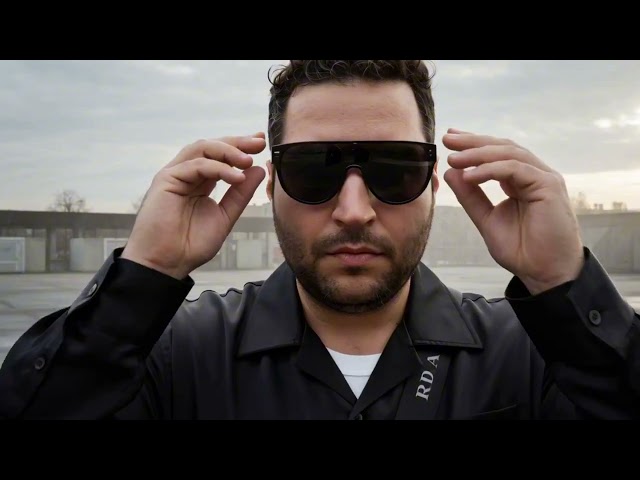
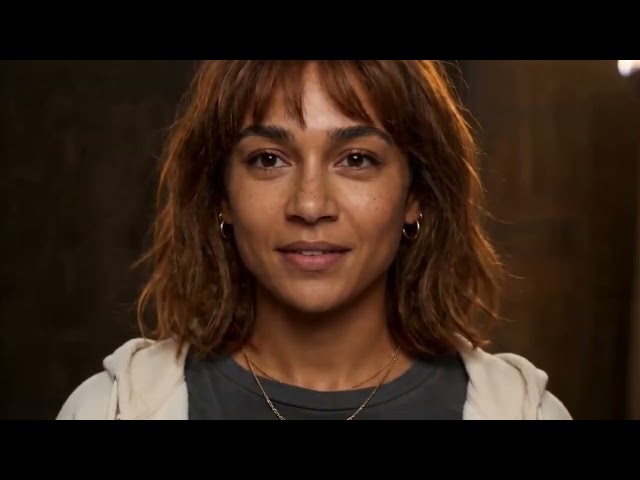
The character was built as a reference sheet first — front, profile, wardrobe, and a lighting test — then locked so Video Agent carried the same face across every segment. Generating the sheet cost less than two video runs and saved re-rolling shots that drifted.
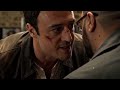 Front
Front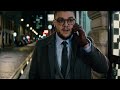 Profile
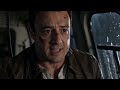 Wardrobe
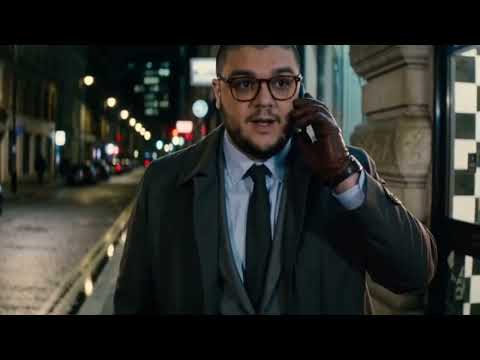 Lighting
Build the reference sheet before generating any video. It is the cheapest step in the project and it decides whether the other sixty shots are usable.
Production
Shot construction
Every shot started as a still. Compose the frame as an image, approve it, then chain it into video — which meant iterating on framing at image prices instead of paying video rates to discover the composition was wrong. Because the frame was already signed off, roughly four in five survived the motion pass.
Prompt structure used for every shot
subject:   who is in frame and what they are doing, one action only
camera:    lens, height, movement — "85mm, chest height, slow push"
lighting:  source and direction — "sodium streetlight, hard, camera left"
grade:     stock reference — "Kodak 5219, crushed blacks, green shadows"
negative:  drone shot, orbit, lens flare, slow motion
Naming the lens and the light source did more for consistency than any amount of style vocabulary. "Cinematic" produced eighteen different looks; "85mm, sodium streetlight" produced one.
The most expensive mistake was generating at full duration while still deciding on framing. Test at the shortest duration the model allows, approve the composition, then spend the credits on length.
Set piece
The chase
The rooftop pursuit is the only sequence built as a continuous run rather than isolated shots. Each segment picks up from the previous frame so the geography holds — the audience needs to believe the two figures are on the same roof, moving in the same direction.
The moment I stopped writing prompts like a wish and started writing them like a camera report, everything got easier.
Post
The cut
Assembly was where the piece became a trailer. The first cut ran two minutes forty and played like a showreel — pretty shots in a row with nothing pulling them forward. Losing forty percent of the runtime, tightening every cut by a few frames, and letting sound carry the transitions turned it into something with momentum.
Sound did more work than any single shot. Footsteps, a door latch, and room tone under the dialogue-free stretches are what convince the eye that the spaces are real.
Team
Credits
- Director
- Alisher Farhadi
- Story
- Alisher Farhadi
- Generation
- Pixio Video Agent
- Stills
- Flux
- Motion
- Seedance 2
- Edit
- Alisher Farhadi
- Sound design
- Alisher Farhadi
- Platform
- Pixio